The Majestic Great Elephant Gathering of Sri Lanka
At A Glance About Great Elephant Gathering | Minneriya Sri Lanka
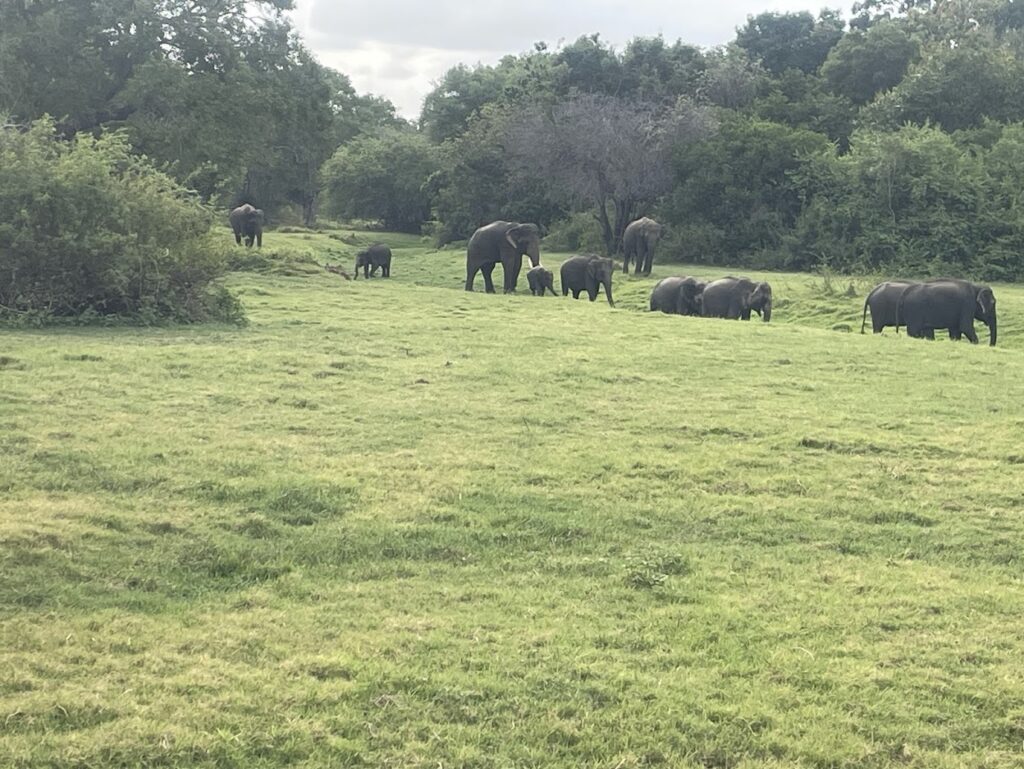
Few wildlife encounters in the world rival what unfolds each year on the sun-baked shores of Minneriya Tank in Sri Lanka’s North Central Province. Hundreds of wild Asian elephants emerge from the surrounding forests, converging on the ancient reservoir in what is widely recognised as the largest elephant gathering in the world. Known simply as “The Gathering,” this annual phenomenon is one of the most compelling wildlife tourism experiences in all of Asia and one of the defining reasons to visit Sri Lanka.
If a best wildlife experience Sri Lanka has to offer is on your bucket list, the Minneriya elephant gathering deserves to be at the very top. Whether you are a dedicated wildlife photographer, a first-time safari traveller, or a family planning a Sri Lanka wildlife tour, this guide covers everything you need to know.
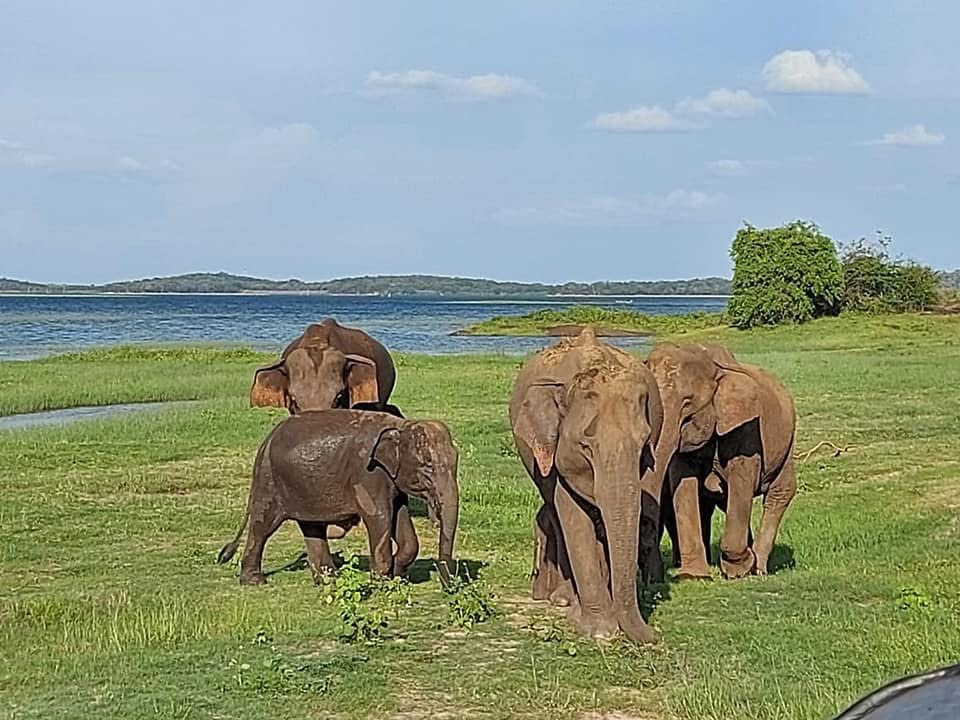
What is the Minneriya Elephant Gathering Sri Lanka?
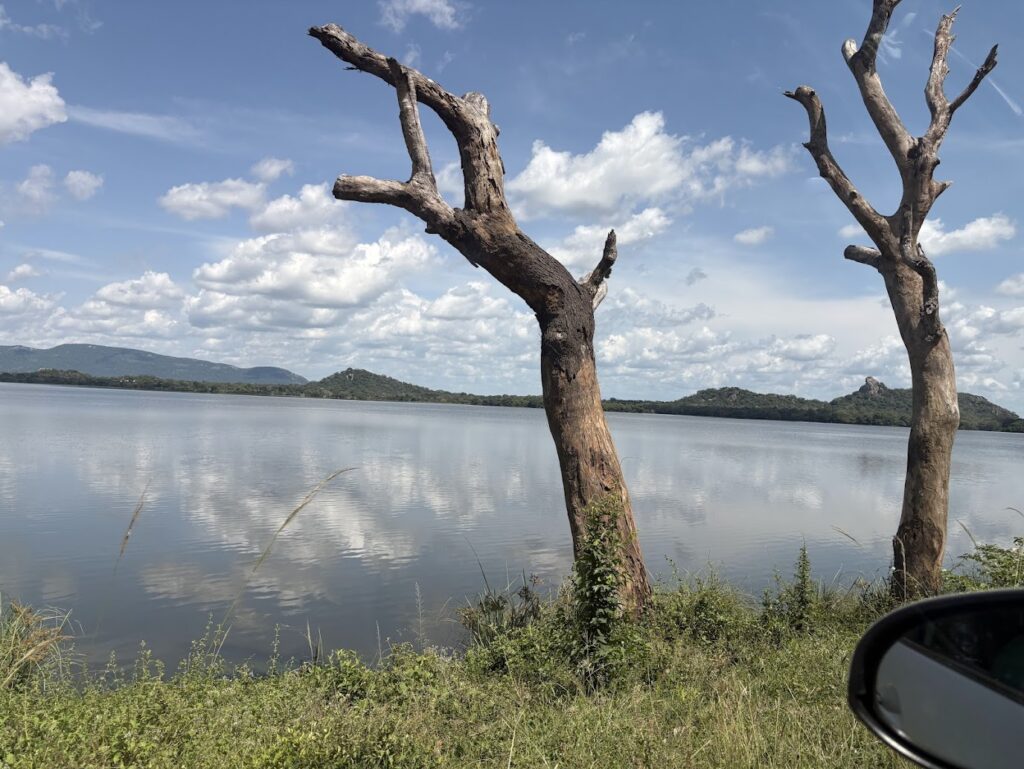
The Minneriya elephant gathering is an annual natural event in which large herds of wild Asian elephants migrate from surrounding forests spanning Kaudulla, Wasgamuwa, and Eco Parks and converge on Minneriya Tank, a man-made reservoir constructed by the ancient Sri Lankan King Mahasen in the 3rd century AD.
During the dry season, water sources across the region diminish rapidly. The Minneriya Tank, fed by the Elahera Canal and Amban River, retains water and develops nutrient-rich grass along its exposed banks as the waterline recedes. Asian elephants which require between 150 and 200 kilograms of food and up to 200 litres of water each day follow ancient migratory corridors to reach this dependable lifeline.According to the IUCN Red List, the Asian elephant is classified as Endangered, making gatherings like this a vital opportunity for conservation awareness.
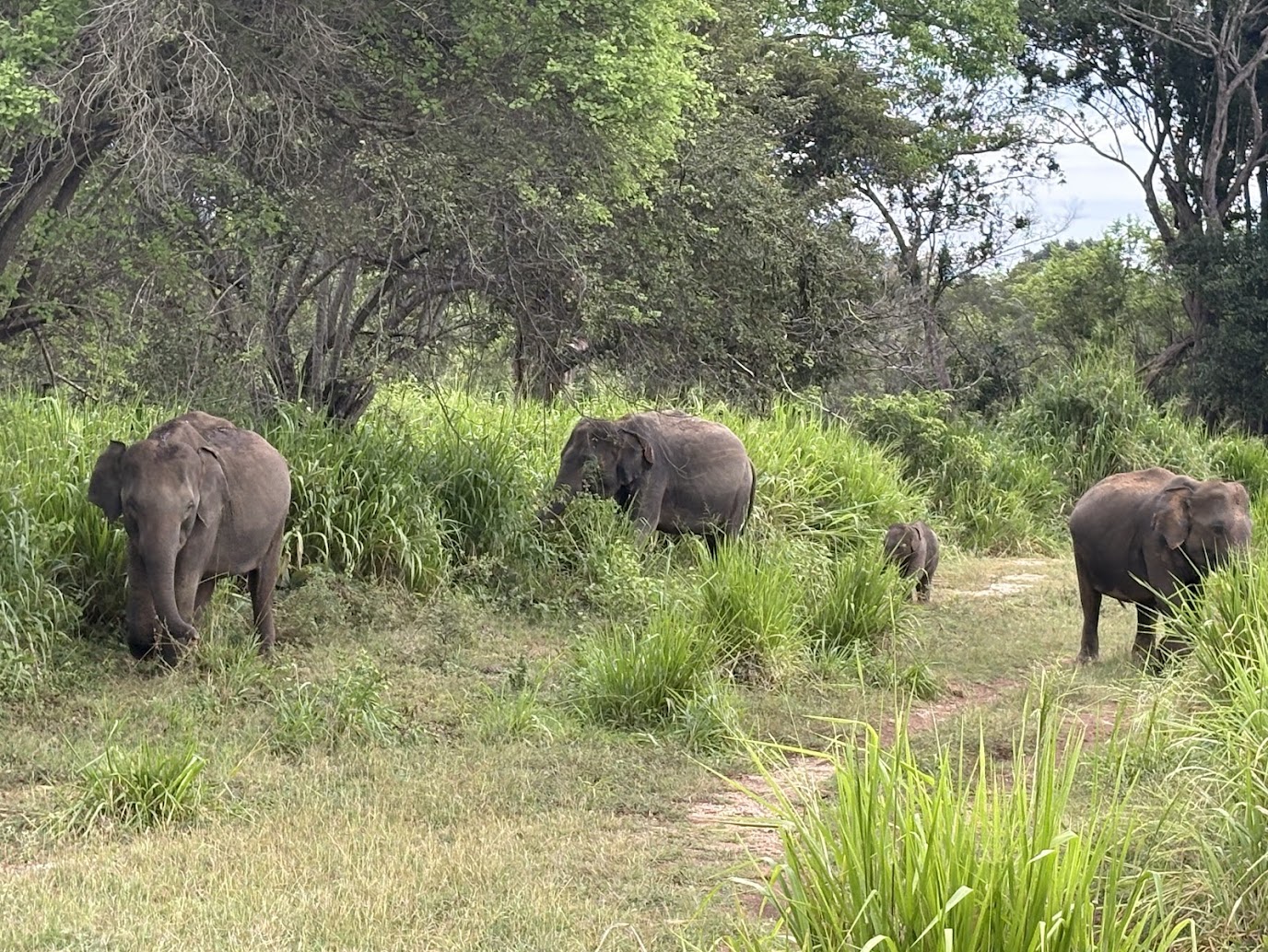
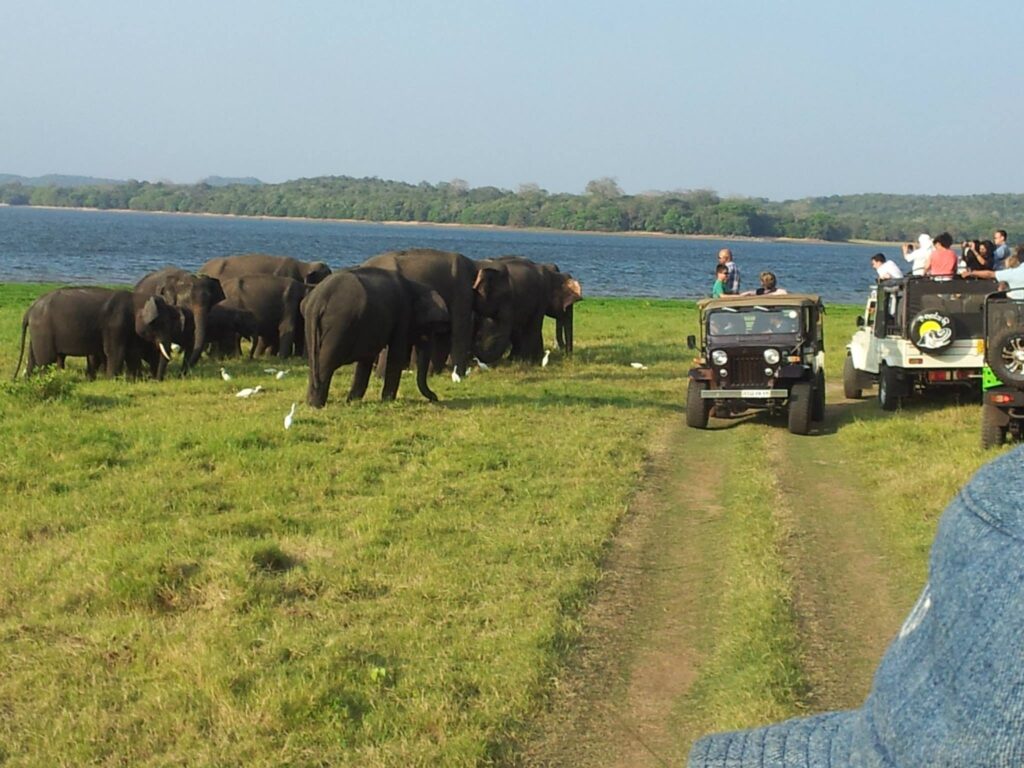
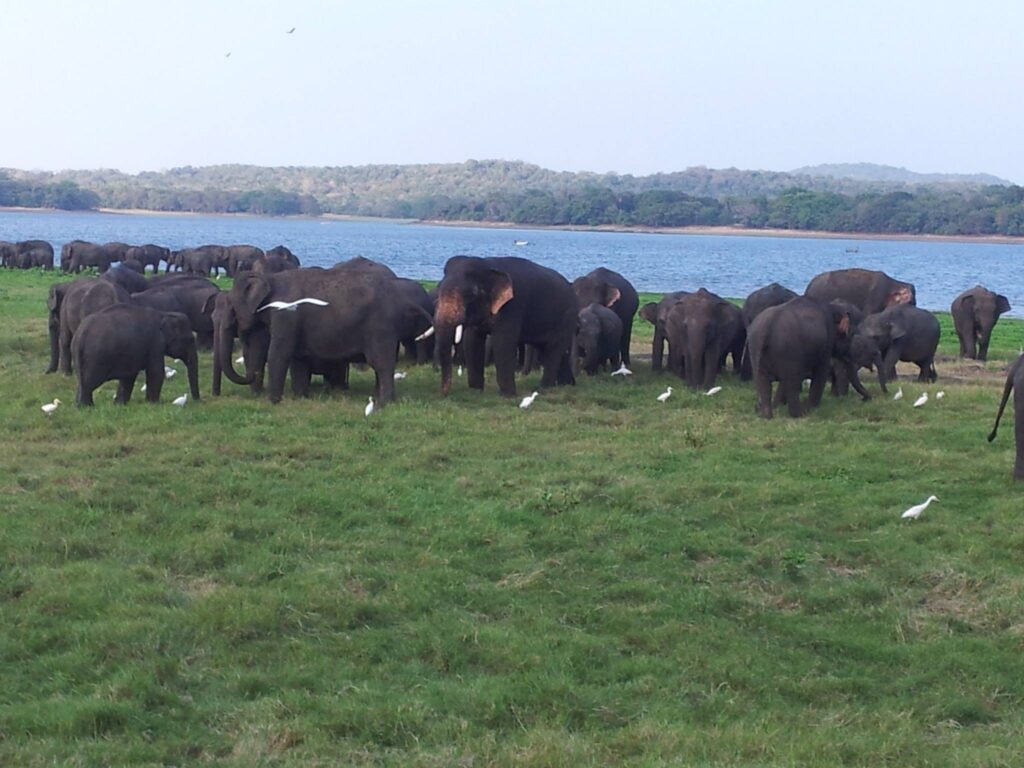
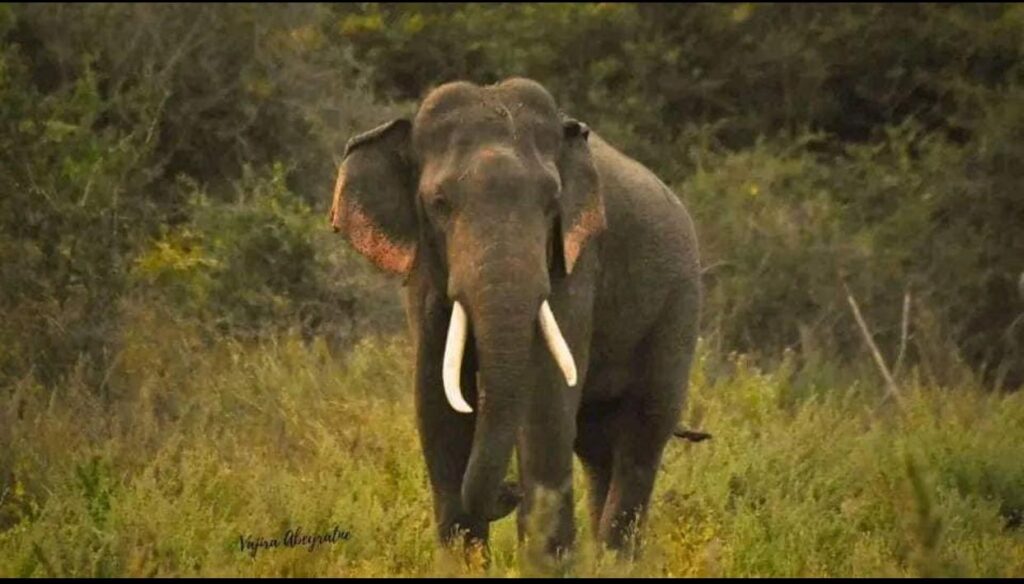
At its peak, the gathering draws between 200 and 400 wild elephants simultaneously. Entire family herds drink and bathe together, young calves play at the water’s edge, and impressive tuskers assert dominance across the open tank bed. It is not merely a wildlife sighting it is a window into the complex social behaviour of one of the planet’s most intelligent species, making it one of the most extraordinary wildlife tourism Sri Lanka experiences available anywhere in the world.
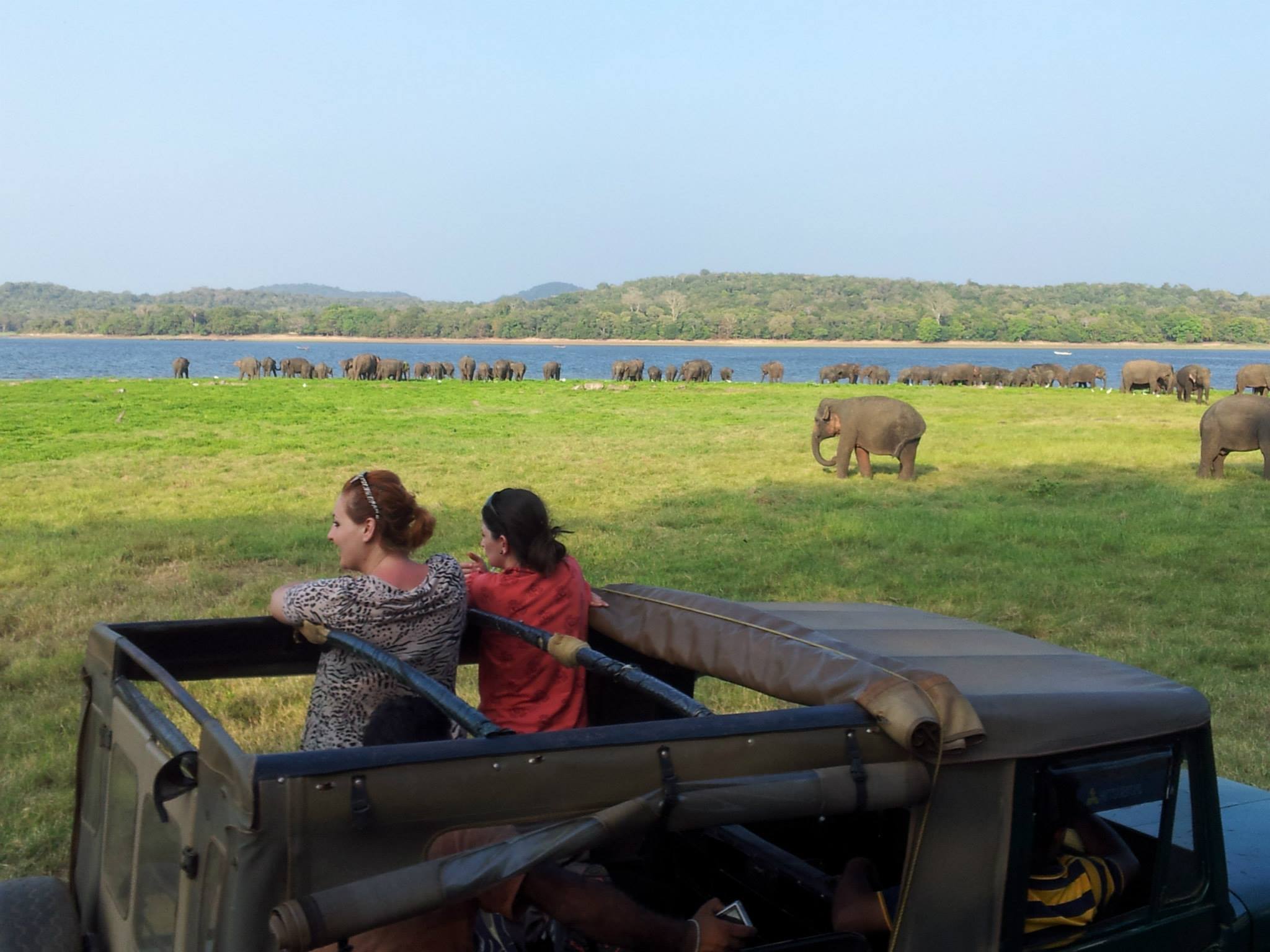
Best Time to Witness the Elephant Gathering Sri Lanka 2025
The elephant gathering Sri Lanka occurs during the dry season and typically runs from July through October, with August and September widely considered the peak months. During this period, elephant numbers are at their highest and the tank bed is most open, offering unobstructed views across the landscape.
| Month | Elephant Numbers | Conditions |
|---|---|---|
| June – July | Building | Early season; good sightings begin |
| August – September | Peak (200–400+) | Best time to visit Minneriya; largest herds |
| October | Tapering | Still excellent; fewer crowds |
| November onwards | Dispersing | Elephants return to forests as rains arrive |
For those with flexible travel dates, late August represents the single best window: herd sizes are at their maximum, the Sri Lanka dry season wildlife activity is at its peak, and the afternoon light is ideal for wildlife photography Sri Lanka enthusiasts.
It is worth noting that Asian elephants are present in Minneriya National Park year-round. Even outside peak gathering season, a Minneriya National Park safari can yield sightings of 20 to 50 elephants a number that would be remarkable in almost any other destination.
How to Experience the Gathering: Minneriya Safari Tips
Getting There Colombo to Minneriya and Beyond
Minneriya National Park sits at the heart of Sri Lanka’s Cultural Triangle, making it easily accessible and ideal for combining with the region’s iconic cultural landmarks.
Approximate travel times:
- 4 hours from Colombo to Minneriya by road
- 30 minutes from Sigiriya to Minneriya National Park
- 1 hour from Dambulla
The nearest hub town is Habarana, which serves as the primary base for Habarana jeep safari operators and accommodation. Most visitors on a Sri Lanka 10-day itinerary wildlife circuit combine a Minneriya safari with nearby sites including Sigiriya Rock Fortress, the Dambulla Cave Temples, and the ancient city of Polonnaruwa all within easy reach, forming a natural Cultural Triangle Sri Lanka wildlife loop.
Safari Timing
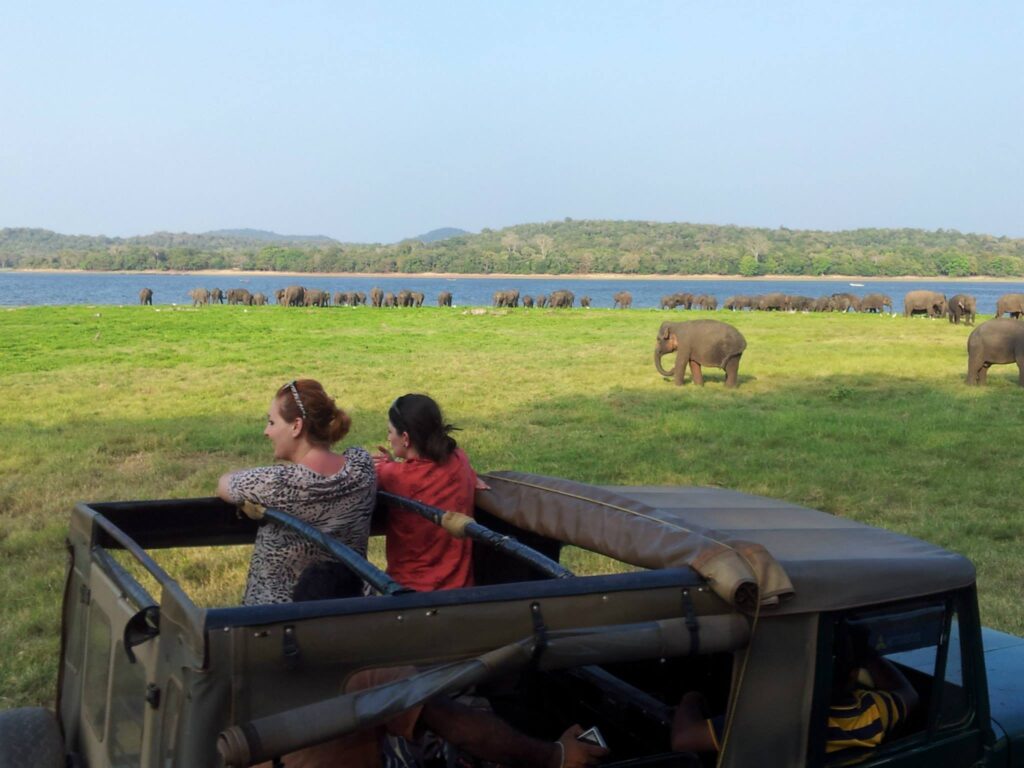
A Minneriya National Park elephant safari typically lasts 3 to 4 hours and is conducted in open-top jeeps guided by licensed naturalists. Two daily windows are available:
Afternoon elephant safari Sri Lanka: Departs around 3:00 PM; this is the preferred option for witnessing the gathering, as herds emerge from forest shade in the late afternoon to graze and bathe by the water
Morning safari: Departs around 6:00 AM; cooler temperatures and active wildlife
Afternoon elephant safari Sri Lanka: Departs around 3:00 PM; this is the preferred option for witnessing the gathering, as herds emerge from forest shade in the late afternoon to graze and bathe by the water
What Else to Expect on a Sri Lanka National Park Safari
Beyond Asian elephants, Minneriya National Park is home to a diverse range of wildlife. During your safari, keep watch for:
- Spotted deer
- Sri Lankan water buffalo
- Mugger crocodiles along the tank margins
- Grey langur monkeys and toque macaques
- Over 160 bird species, including painted storks, spot-billed pelicans, and grey herons
Kaudulla vs Minneriya National Park: Which Should You Choose?
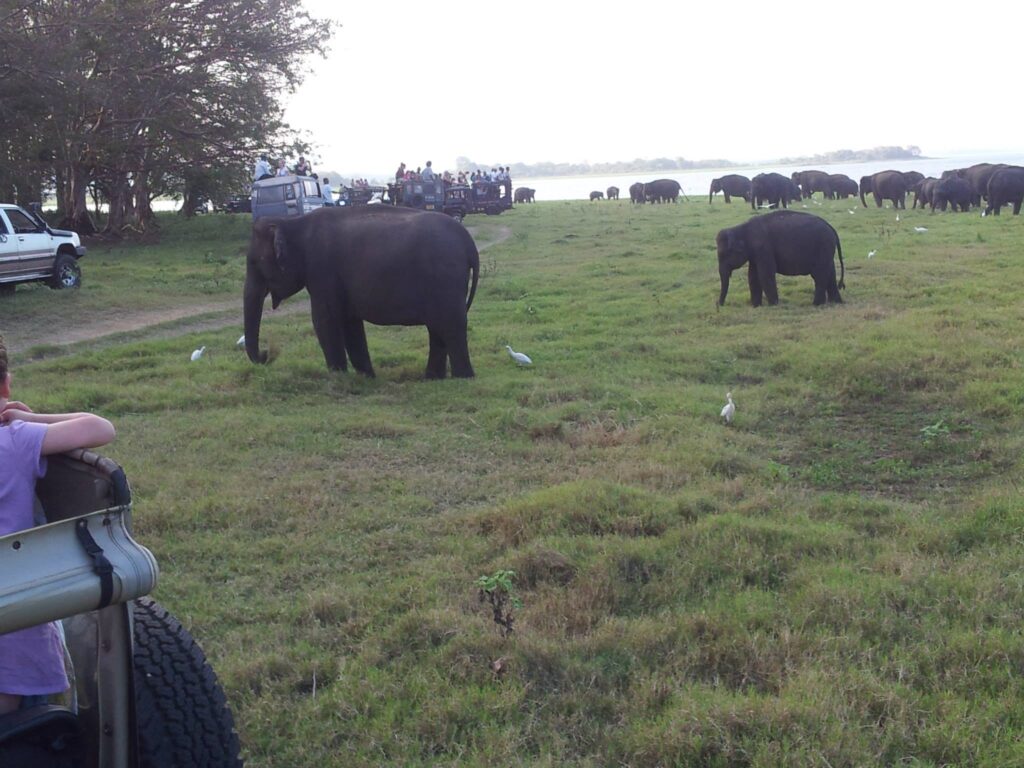
A common question among visitors is whether to book a Kaudulla or Minneriya National Park safari. The honest answer is that experienced safari operators monitor daily elephant movement between both parks and the best choice on any given day depends on where the herds currently are.
Elephant herds move between the two parks depending on grass availability and water levels. A reputable Habarana jeep safari operator will advise you on which park offers the best sightings that day. When planning your wildlife tourism Sri Lanka experience, choose an operator who covers both parks and has up-to-date intelligence on herd locations -this single factor can make the difference between seeing 20 elephants and seeing 300.
Minneriya Park Entrance Fee and Practical Information
Park Fees
Minneriya National Park is managed by the Sri Lanka Department of Wildlife Conservation. A Minneriya park entrance fee applies and varies by nationality. Fees are typically bundled into safari packages arranged through tour operators confirm this when booking your Polonnaruwa elephant tour or Cultural Triangle itinerary.
Entrance fees are subject to change by the Department of Wildlife Conservation Sri Lanka. The Wildlife Guardian Travels will verify the latest official park permit fee at the time of booking and guide travellers with the correct safari arrangement.
Wildlife Photography Sri Lanka Tips
- Bring a telephoto lens (200mm minimum; 400mm ideal) for the best wildlife photography Sri Lanka results Asian elephants are best observed from a respectful distance
- The golden hour before sunset (5:00–6:30 PM) offers the most dramatic light
- Dust is considerable during the Sri Lanka dry season wildlife period protect your equipment
- Avoid using flash, which can startle wildlife
Planning Your Sri Lanka 10-Day Itinerary Wildlife and Culture Combined
The Minneriya elephant gathering fits naturally into a broader Sri Lanka tailor-made wildlife tour combining the island’s finest wildlife experiences with its cultural and scenic highlights. A well-structured itinerary might include:
This circuit captures the best wildlife experience Sri Lanka has to offer across multiple ecosystems, and can be tailored to suit both family safari Sri Lanka groups and solo travellers. It is consistently one of our most popular Sri Lanka bucket list experiences.
- Colombo — Arrival, city orientation, and transfer north
- Dambulla — Cave temples and onward to the Cultural Triangle Sri Lanka wildlife zone
- Habarana / Sigiriya — Base for Minneriya safaris and Sigiriya wildlife safari; Sigiriya Rock Fortress
- Polonnaruwa — Ancient royal city; Polonnaruwa elephant tour opportunities nearby
- Kandy — Temple of the Tooth Relic and hill country gateway
- Nuwara Eliya / Ella — Tea country scenery and scenic train journey
- Yala National Park — Sri Lanka leopard sightings and coastal wildlife
- Galle — Historic Dutch fort and southern beaches
Amazing Minneriya Elephant Gathering: Why It Matters for Asian Elephant Conservation
The Minneriya Elephant Gathering is not simply a tourism spectacle -it is a vital ecological event shaped by ancient Sri Lankan water engineering, seasonal wildlife movement, and natural elephant behaviour.
During the dry season, wild Asian elephants from surrounding forest areas move toward the Minneriya Tank, where the water level gradually reduces and exposes fresh, mineral-rich grasslands. Elephants instinctively know this seasonal food source and gather in large numbers to feed, drink, rest, and socialize. This makes Minneriya one of the most important natural feeding grounds for elephants in Sri Lanka.
The gathering also plays a meaningful role in Asian elephant conservation in Sri Lanka. It provides a safe natural space where elephant families, calves, young bulls, and mature adults interact together. Baby elephants learn social behaviour by playing with other calves, while family groups strengthen bonds with siblings, relatives, and familiar herds. Many elephant conservationists believe this gathering is also an important social reunion, where elephants meet known family groups and companions across the wider landscape.
Another important conservation value is reproduction. The gathering period creates opportunities for mating, which is essential to maintain healthy elephant birth numbers against natural deaths, habitat pressure, and human-elephant conflict. Protecting this seasonal gathering area therefore supports the long-term survival of Sri Lanka’s wild elephant population.
The Minneriya Tank and surrounding forest corridors are also critical for elephant movement across the North Central Province. When these habitats are protected, elephants can continue their traditional migration routes between Minneriya, Kaudulla, Wasgamuwa, Eco Park, and nearby forest areas.
For travellers, choosing a responsible Minneriya National Park Safari is one of the most direct ways to support responsible wildlife tourism in Sri Lanka. Conservation-focused tourism helps generate awareness, supports park protection, and gives local communities an economic reason to protect elephant habitats instead of converting them for harmful land use.
At The Wildlife Guardian Travels Sri Lanka, we believe the Great Elephant Gathering should be experienced with respect, patience, and responsible safari practices — because protecting this natural event means protecting one of Sri Lanka’s greatest wildlife treasures.
Click Here To see YouTube Video | THE GREAT ELEPHANT GATHERING OF ASIA | FFCSL Documentary Films
Responsible Travel and Conservation Message
At The Wildlife Guardian Travels, we believe tourism should protect what travellers come to experience.
Sri Lanka’s wildlife, forests, beaches, cultural sites and local communities are valuable treasures. Responsible travel means respecting wildlife, supporting local people, protecting heritage sites and choosing ethical travel experiences.
Travellers should avoid feeding wildlife, maintain a safe distance from animals, respect temple dress codes, avoid plastic waste and support local guides, drivers, hotels and communities.A meaningful Sri Lanka journey is not only about beautiful photos. It is about leaving a positive impact behind.
Our Booking Contribution to Wildlife Conservation in sri lanka
At The Wildlife Guardian Travels, every journey is designed with a deeper purpose. We believe travel should not only create unforgettable memories for our guests, but also contribute to the protection of Sri Lanka’s wildlife, nature and local communities.
As part of our responsible tourism commitment, Our share of 1% of from each booking / per person will be allocated towards selected wildlife conservation and community-support projects in Sri Lanka.This contribution is intended to support practical initiatives that benefit both humans and wildlife, especially in areas affected by human-wildlife conflict. By supporting conservation-focused action plans, responsible awareness and community-level solutions, each traveller becomes part of a positive journey that helps protect Sri Lanka’s natural heritage.
Human-wildlife conflict remains one of the key challenges in Sri Lanka, particularly in areas where communities live close to forests, national parks and elephant corridors. Through responsible travel and transparent conservation support, The Wildlife Guardian Travels aims to play a small but meaningful role in reducing this conflict while promoting ethical tourism.
When you book with us, your journey becomes more than a holiday. It becomes a direct contribution towards protecting wildlife, supporting people and preserving Sri Lanka’s beauty for future generations.
Plan Your Minneriya Elephant Safari with Us
Whether you are arriving from Colombo to Minneriya for a single day or building a full Sri Lanka 10-day itinerary wildlife circuit, careful planning makes the difference between a good safari and an unforgettable one. Timing, accommodation, park selection, and the expertise of your naturalist guide all play a role.
Our team specialises in Sri Lanka tailor-made wildlife tours built around peak seasonal experiences. We monitor dry season conditions, maintain trusted relationships with experienced Habarana jeep safari operators, and design itineraries that give you the highest possible chance of witnessing the largest elephant gathering in the world at its most spectacular.
Contact us today to begin planning your Sri Lanka wildlife tour.
Published by The wildlife Guardian | Sri Lanka Travel Specialists