
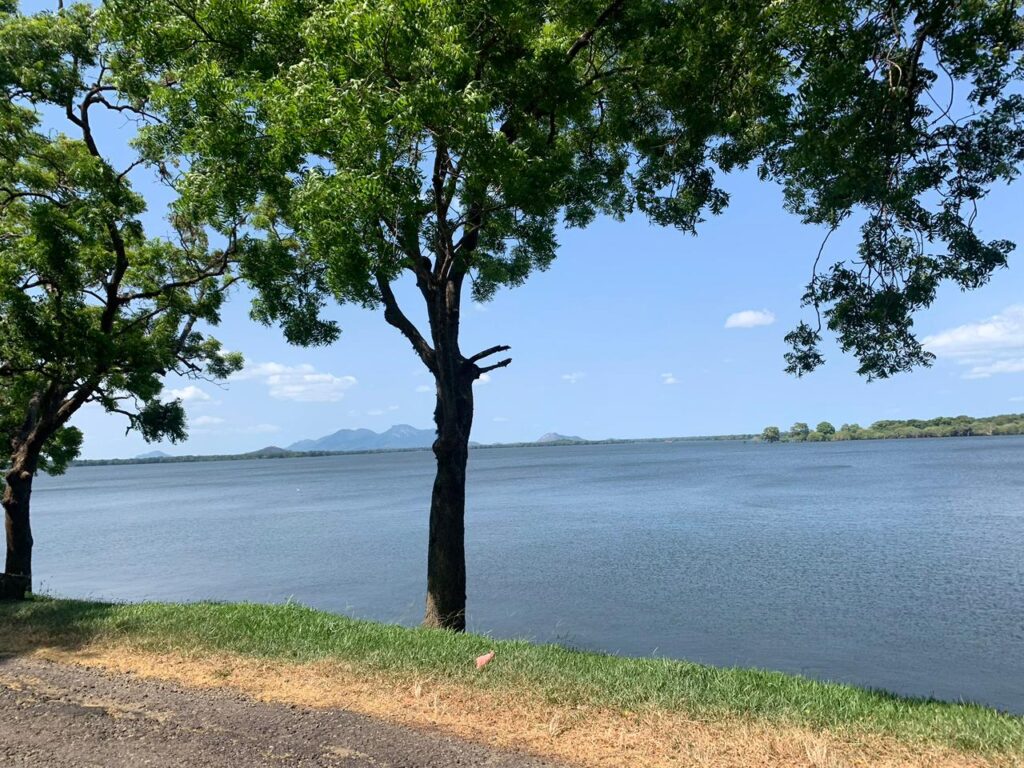
Sri Lanka Travel Guide Before You Plan Your Dream Trip to Sri Lanka
The Wildlife Guardian Tips & Travel Journals

Sri Lanka Travel Guide Update 2026: Free Tourist Visa for 40 Countries
Sri Lanka has introduced exciting new travel benefits for international visitors in 2026, making it even easier for travellers to explore the island’s breathtaking wildlife, tropical beaches, scenic mountains, and over 2,500 years of cultural heritage.
As part of Sri Lanka’s tourism development initiative, the Sri Lankan Government has announced a free tourist visa (ETA) program for nationals of selected countries travelling to Sri Lanka for tourism purposes.
For travellers planning their first visit, this is excellent news and another reason why Sri Lanka continues to grow as one of Asia’s most attractive travel destinations.
Click 👉 New Visa Regulation
Important Information for First-Time Travellers
Although the tourist visa is free for eligible countries, travellers are still required to complete the ETA application process prior to arrival in Sri Lanka. Visitors are advised to use only the official Sri Lanka ETA portal when applying for visas.
For official visa information and ETA applications, visit:
Official ETA Link : Click Here
For tourism destination information 👇
Sri Lanka Tourism Promotion Bureau
Sri Lanka Travel Guide for First-Time Visitors: Wildlife, Beaches, Mountains & 2,500 Years of Heritage
The official languages are Sinhala and Tamil, while English is widely spoken in hotels, tourist areas and travel services, making it easier for international travellers to explore the country comfortably. The local currency is the Sri Lankan Rupee, LKR. For first-time travellers, Sri Lanka is not just a holiday destination. It is a complete journey through nature, culture, wildlife, history, relaxation and authentic island life.
Before you embark on your Sri Lankan journey, it is important to understand why this island is one of Asia’s most complete travel destinations. Sri Lanka is located in South Asia and is beautifully known as the Pearl of the Indian Ocean. Although it is a small island, it offers an unbelievable variety of experiences within a short travel distance: wildlife safaris, golden beaches, misty mountains, tea plantations, ancient kingdoms, sacred temples, warm hospitality and rich local culture.
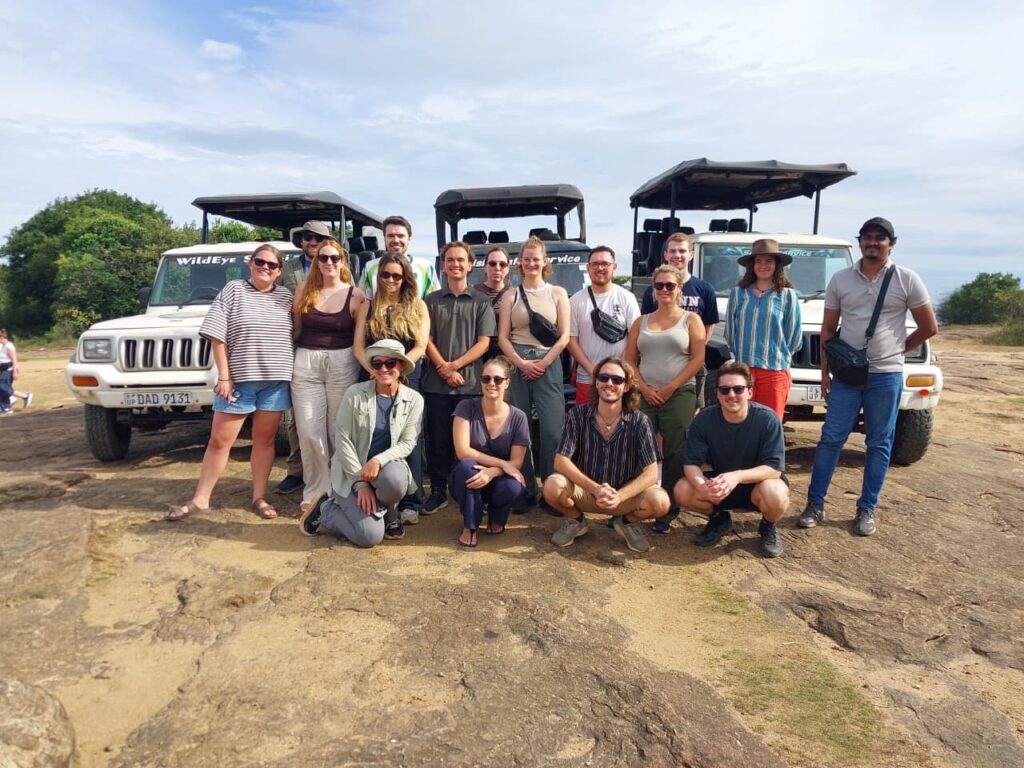
Why Sri Lanka Is a Special Travel Destination
Sri Lanka is one of the rare destinations where travellers can experience a wildlife safari in the morning, visit an ancient royal kingdom in the afternoon and relax by the beach within the same journey.
The island offers over 2,500 years of recorded heritage, 8 UNESCO World Heritage Sites, 26 national parks and around 1,340 kilometres of coastline, according to Sri Lanka’s Central Cultural Fund tourism information.
This makes Sri Lanka ideal for travellers who want more than one experience in one holiday. It is perfect for families, couples, honeymooners, photographers, wildlife lovers, cultural explorers and luxury travellers. At The Wildlife Guardian Travels, we promote Sri Lanka as a destination where every journey can combine beauty, adventure, comfort and purpose.
Wildlife Safari Experiences in Sri Lanka
Sri Lanka may be a small island, but for wildlife lovers, it offers one of Asia’s most rewarding safari experiences. From the deep jungle tracks of Wilpattu to the leopard country of Yala, the elephant-rich plains of Udawalawe and the seasonal elephant gatherings around Minneriya, every safari tells a different story. The Department of Wildlife Conservation is the official authority responsible for managing Sri Lanka’s protected wildlife areas and conservation-related activities.
Yala National Park
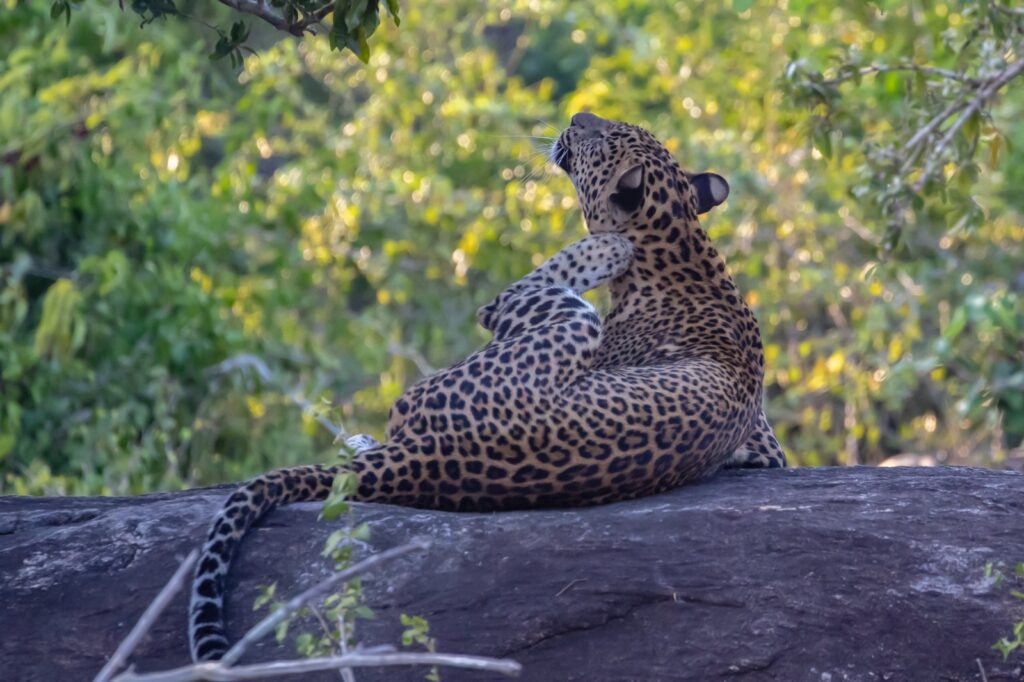
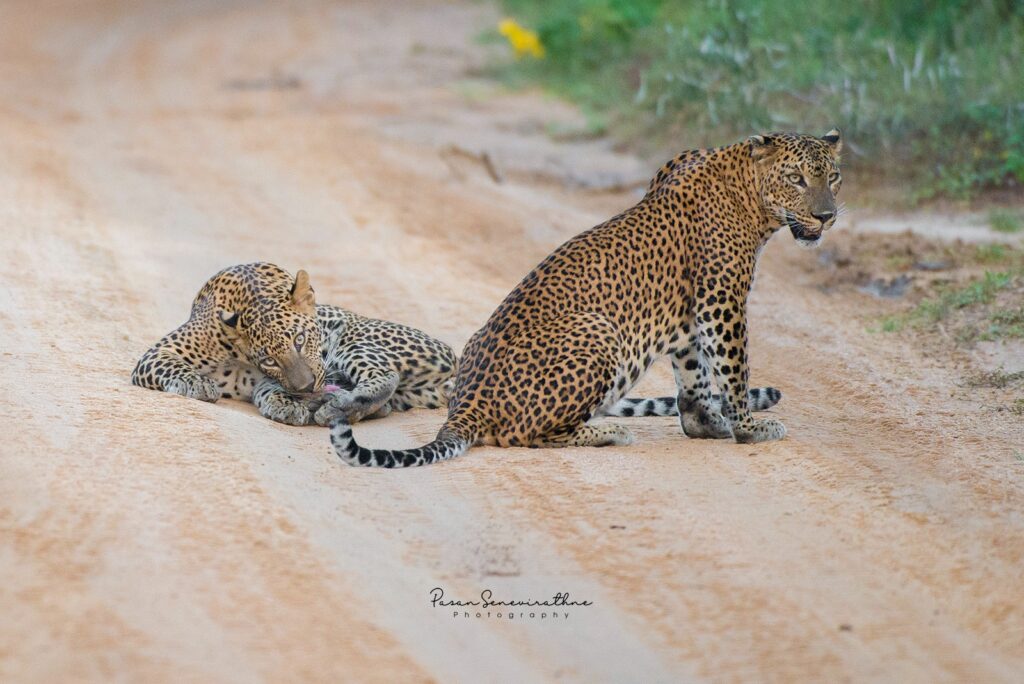
Yala is one of Sri Lanka’s most famous safari destinations. It is widely known for leopard sightings, dry-zone landscapes, elephants, crocodiles, deer, buffalo and colourful birdlife. For first-time travellers, Yala offers a classic safari feeling with strong photography opportunities and exciting wildlife moments.
Best for: Leopards, photography and first-time safari excitement.
Udawalawe National Park
Udawalawe is one of the best safari parks in Sri Lanka for elephant sightings. Its open landscapes make wildlife viewing easier, especially for families and travellers who are new to safari experiences.
Best for: Families, elephants and relaxed safari drives.
Wilpattu National Park
Wilpattu is ideal for travellers who prefer a quieter and more natural jungle experience. It is known for its forest tracks, natural lakes, leopards, sloth bears, deer, crocodiles and peaceful wilderness atmosphere.
Best for: Nature lovers, photography and less crowded safari experiences.
Minneriya & Kaudulla National Park
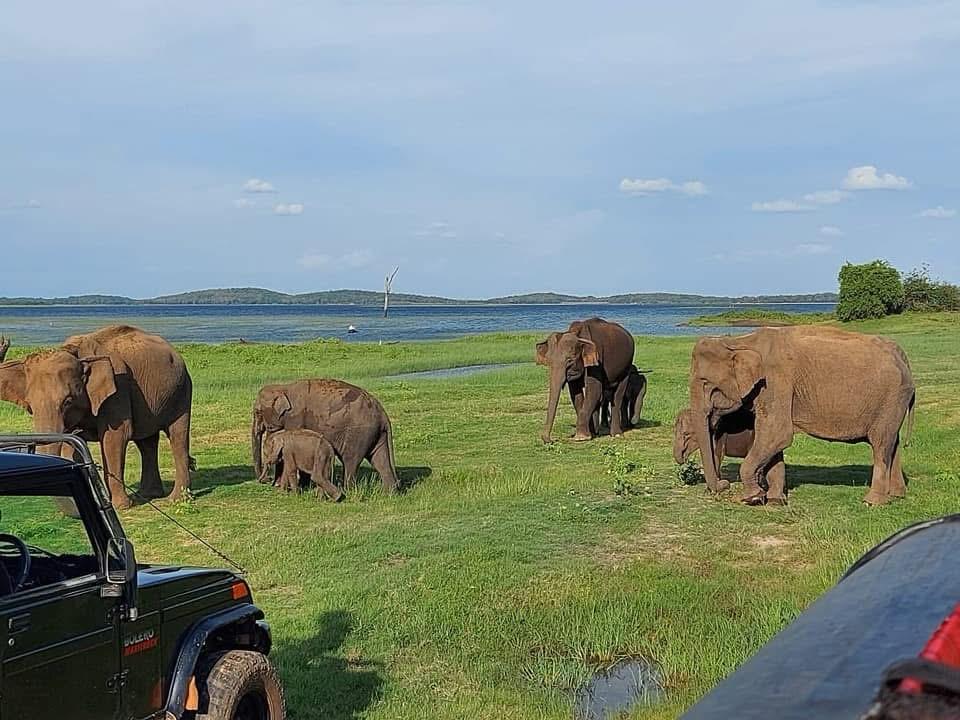
Minneriya is famous for seasonal elephant gatherings around the reservoir, especially during the dry season. It is also a perfect safari choice for travellers visiting the Cultural Triangle, including Sigiriya, Dambulla, Polonnaruwa and Anuradhapura.
Best for: Elephant herds, family travel and Cultural Triangle itineraries.
Mountain Landscapes and Tea Country
Sri Lanka’s hill country is one of the most beautiful parts of the island. As travellers move away from the warm coastal areas, the scenery changes into misty mountains, waterfalls, tea plantations and cool-climate towns.
Destinations such as Ella, Nuwara Eliya, Haputale, Kandy and the Knuckles Mountain Range offer a completely different side of Sri Lanka. Travellers can enjoy scenic train journeys, tea estate visits, waterfall walks, mountain viewpoints, soft hiking trails and peaceful boutique stays.
The hill country is ideal for travellers who want relaxation, photography, wellness and soft adventure. It is also a beautiful addition to a wildlife or cultural itinerary because it balances the journey with cooler weather and breathtaking landscapes.
Recommended experiences:
- Tea Plantation Visit
- Scenic Train Journey from Kandy to Ella
- Little Adam’s Peak & Ella Rock
- Nine Arch Bridge
- Waterfalls and mountain viewpoints
- Wellness retreats and boutique hill country stays
Beautiful Beaches Around the Island
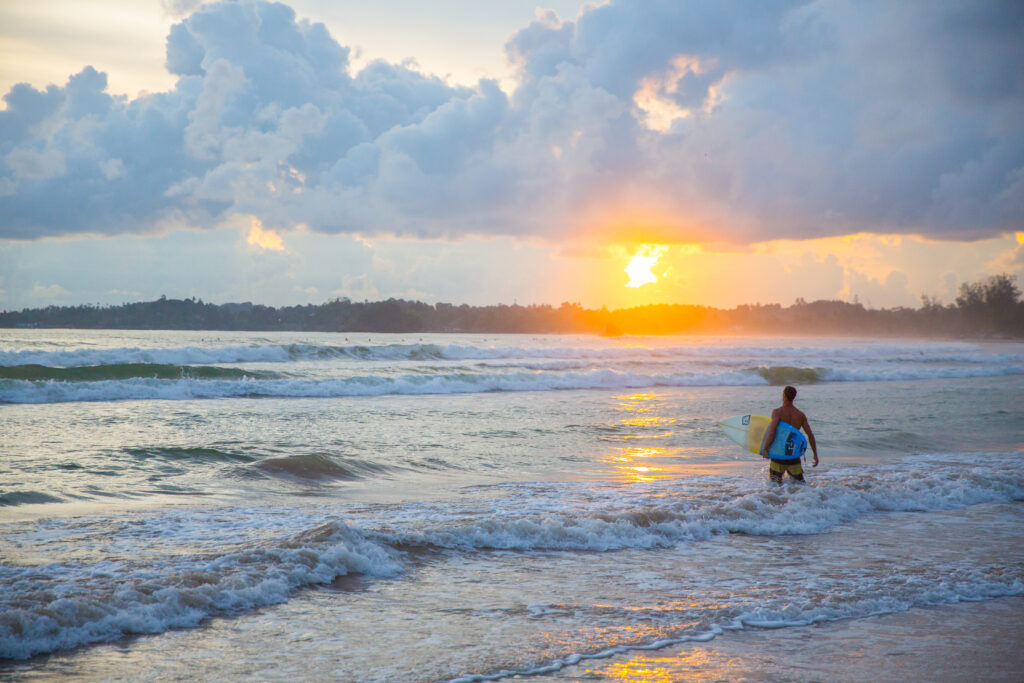
Sri Lanka is surrounded by tropical beaches, and each coastline offers a different experience. The south and west coasts are popular for beach holidays from December to March, while the east coast is best from April to September. The south coast offers beaches such as Mirissa, Unawatuna, Tangalle, Hiriketiya and Bentota. These are ideal for relaxation, whale watching, surfing, seafood dining and luxury coastal stays.
The east coast, including Trincomalee, Pasikuda and Arugam Bay, is known for calm waters, diving, snorkelling, surfing and long beach holidays during the April to September season.
For first-time travellers, Sri Lanka’s beaches are perfect after a safari, heritage tour or mountain journey. A well-planned itinerary can end with 2–4 nights by the beach, giving travellers time to relax before returning home.
Over 2,500 Years of Heritage and Culture
Sri Lanka’s heritage is one of the strongest reasons to visit the island. The country’s ancient kingdoms, Buddhist temples, rock fortresses, irrigation systems, cave temples and royal cities show an advanced civilisation that existed for more than 2,500 years.
The Cultural Triangle is one of the most important travel regions in Sri Lanka. It includes Sigiriya, Anuradhapura, Polonnaruwa, Dambulla and Kandy.
Sigiriya Rock Fortress
Sigiriya is one of Sri Lanka’s most iconic attractions and a UNESCO World Heritage Site. UNESCO describes Sigiriya as the ruins of the capital built by King Kassapa I, located on the slopes and summit of a granite peak rising around 180 metres above the surrounding jungle.
Sigiriya is not only a rock fortress. It is an ancient masterpiece of urban planning, water gardens, royal architecture, frescoes and engineering. For travellers, climbing Sigiriya is one of the most unforgettable experiences in Sri Lanka.
Anuradhapura
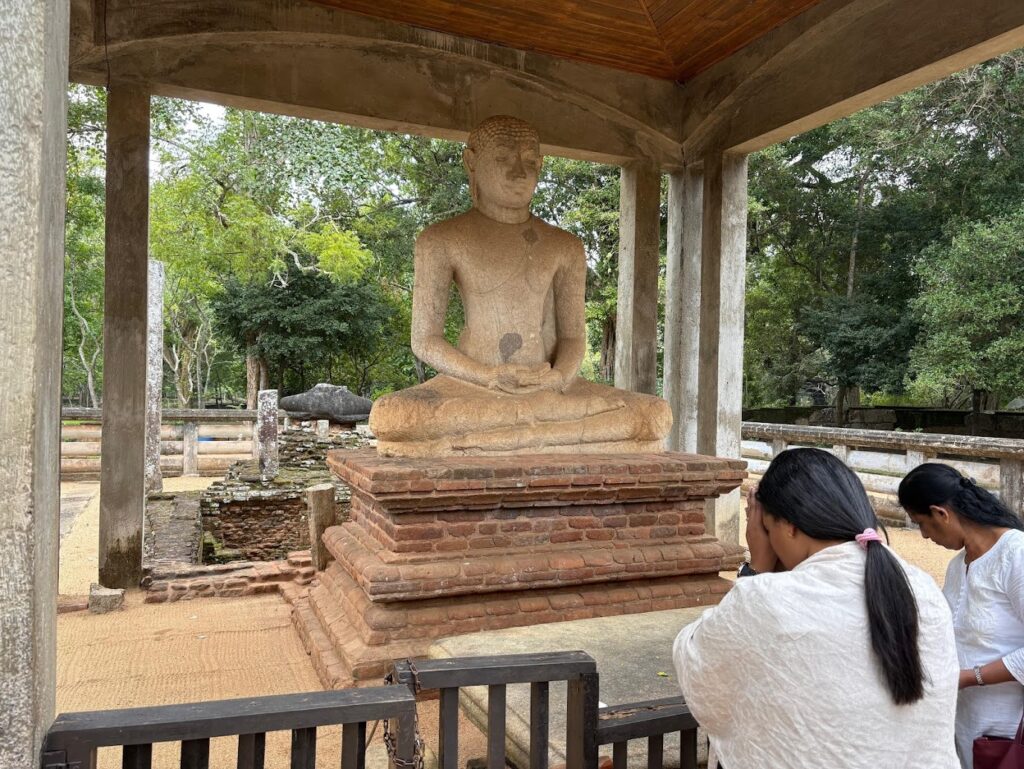
Anuradhapura is one of Sri Lanka’s ancient capitals and a sacred city filled with stupas, monasteries, ancient reservoirs and Buddhist heritage. It is ideal for travellers who want to understand the spiritual and historical foundation of the island.
Polonnaruwa
Polonnaruwa is another ancient royal city known for stone sculptures, palace ruins, temples and advanced urban planning. It is an excellent stop for travellers exploring history, architecture and culture.
Dambulla Cave Temple
Dambulla is famous for its cave temples, Buddhist paintings and statues. It is often combined with Sigiriya and Minneriya in a Cultural Triangle itinerary.
Kandy
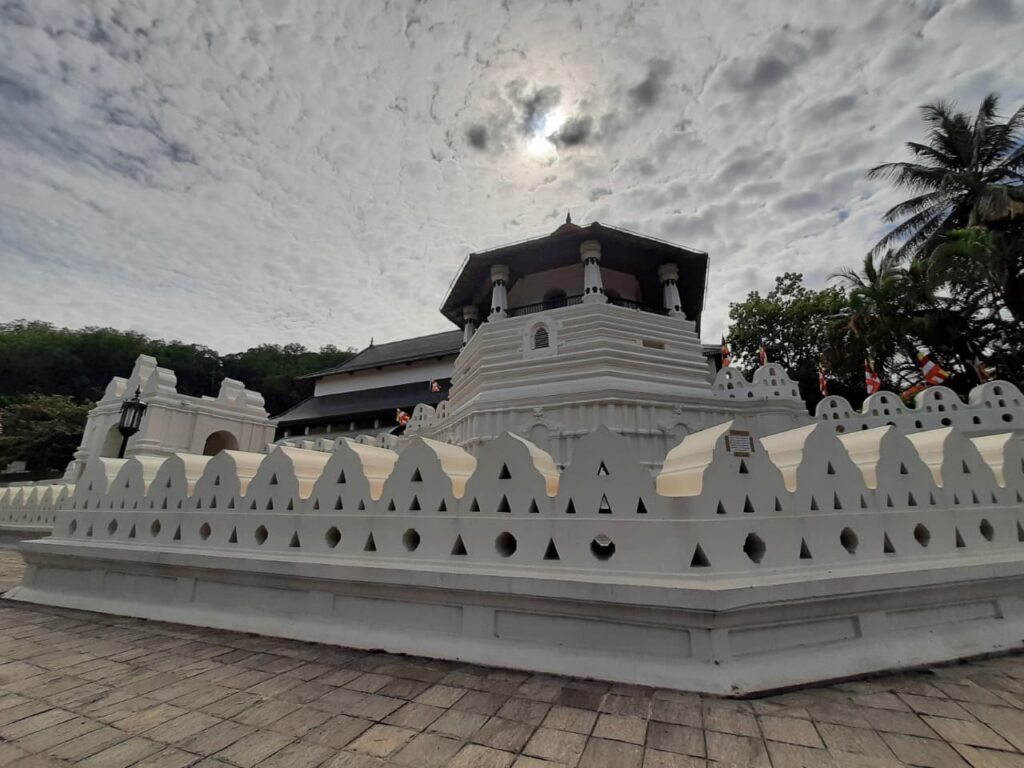
Kandy is a cultural capital surrounded by hills and tradition. It is home to the Temple of the Sacred Tooth Relic and is a perfect gateway to Sri Lanka’s hill country.

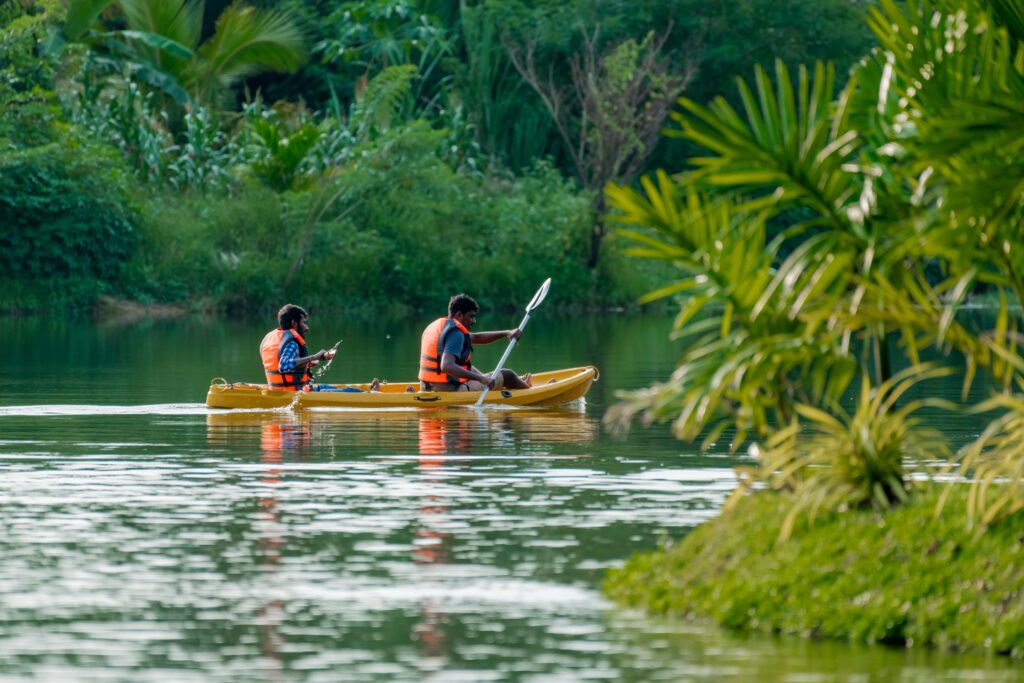
Responsible Travel and Conservation Message
At The Wildlife Guardian Travels, we believe tourism should protect what travellers come to experience.
Sri Lanka’s wildlife, forests, beaches, cultural sites and local communities are valuable treasures. Responsible travel means respecting wildlife, supporting local people, protecting heritage sites and choosing ethical travel experiences.
Travellers should avoid feeding wildlife, maintain a safe distance from animals, respect temple dress codes, avoid plastic waste and support local guides, drivers, hotels and communities.
A meaningful Sri Lanka journey is not only about beautiful photos. It is about leaving a positive impact behind.
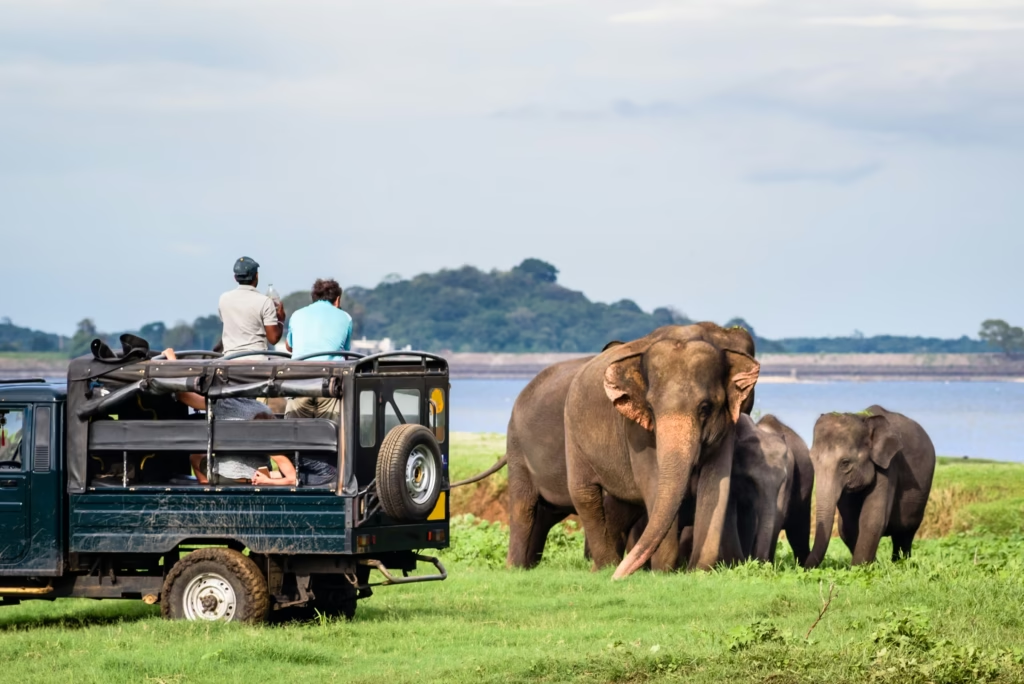
THE GREAT ELEPHANT GATHERING OF ASIA 👆
Our Booking Contribution to Wildlife Conservation in sri lanka
At The Wildlife Guardian Travels, every journey is designed with a deeper purpose. We believe travel should not only create unforgettable memories for our guests, but also contribute to the protection of Sri Lanka’s wildlife, nature and local communities.
As part of our responsible tourism commitment, Our share of 1% of from each booking / per person will be allocated towards selected wildlife conservation and community-support projects in Sri Lanka.
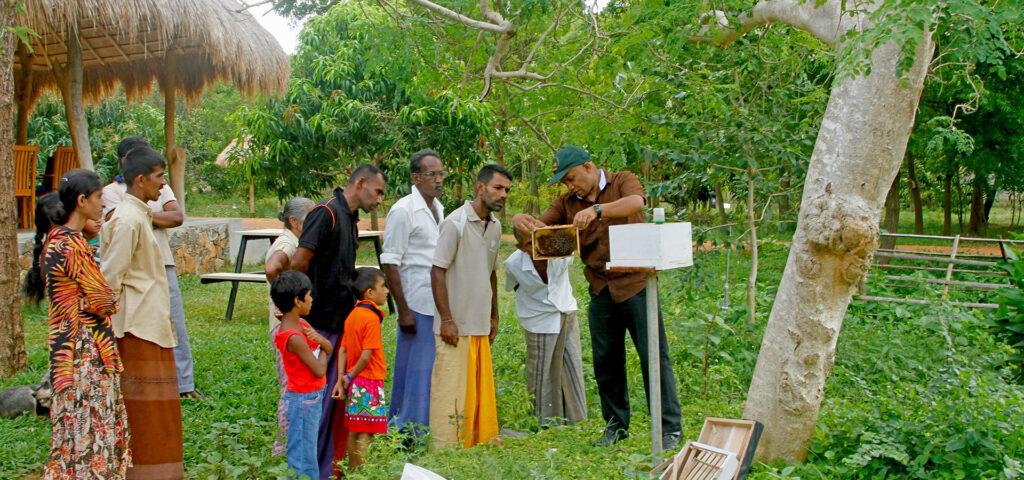
This contribution is intended to support practical initiatives that benefit both humans and wildlife, especially in areas affected by human-wildlife conflict. By supporting conservation-focused action plans, responsible awareness and community-level solutions, each traveller becomes part of a positive journey that helps protect Sri Lanka’s natural heritage.
Human-wildlife conflict remains one of the key challenges in Sri Lanka, particularly in areas where communities live close to forests, national parks and elephant corridors. Through responsible travel and transparent conservation support, The Wildlife Guardian Travels aims to play a small but meaningful role in reducing this conflict while promoting ethical tourism.
When you book with us, your journey becomes more than a holiday. It becomes a direct contribution towards protecting wildlife, supporting people and preserving Sri Lanka’s beauty for future generations.
Why Responsible Travel Matters Today And How We Support Sri Lankan Wildlife
Travel is one of the most beautiful ways to understand the world. It connects people with nature, culture, history and communities. But today, travel must carry a deeper responsibility. Across the world, climate change, rapid development, forest loss and human expansion are placing heavy pressure on natural habitats. Sri Lanka, with its rich wildlife, ancient forests, rivers, mountains and coastal ecosystems, is also facing these challenges.
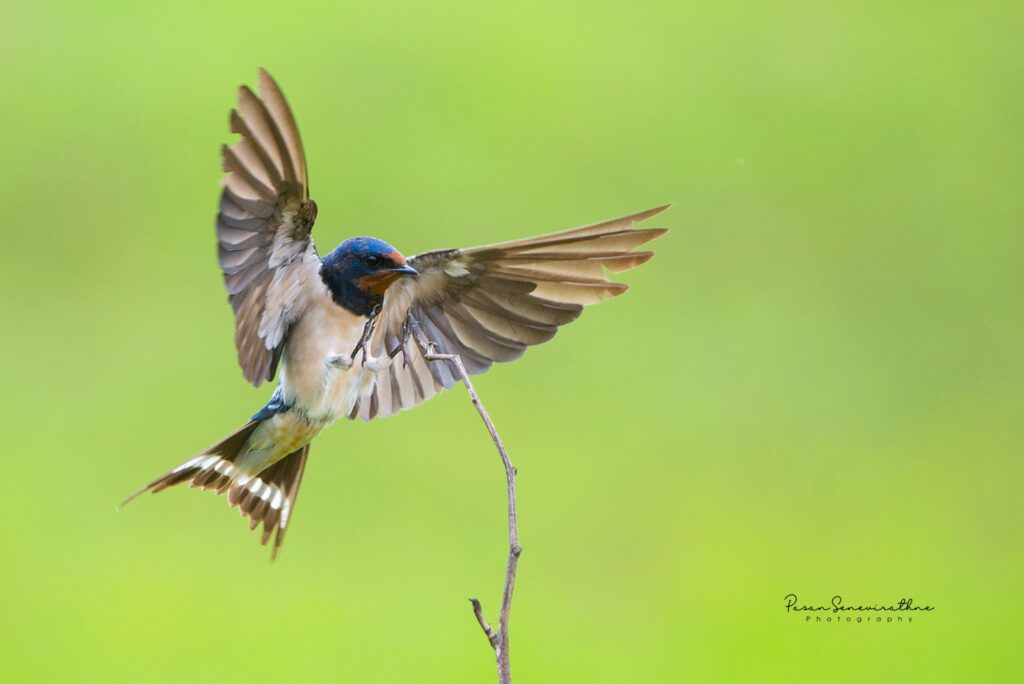
Sri Lanka is blessed with extraordinary biodiversity. From elephants and leopards to sloth bears, marine life, endemic birds and rare reptiles, the island is home to wildlife found nowhere else in the world. However, as human settlements, agriculture, roads and construction move closer to forest areas, wildlife habitats are reduced and fragmented. This creates one of Sri Lanka’s most serious conservation challenges: human-wildlife conflict, especially human-elephant conflict.
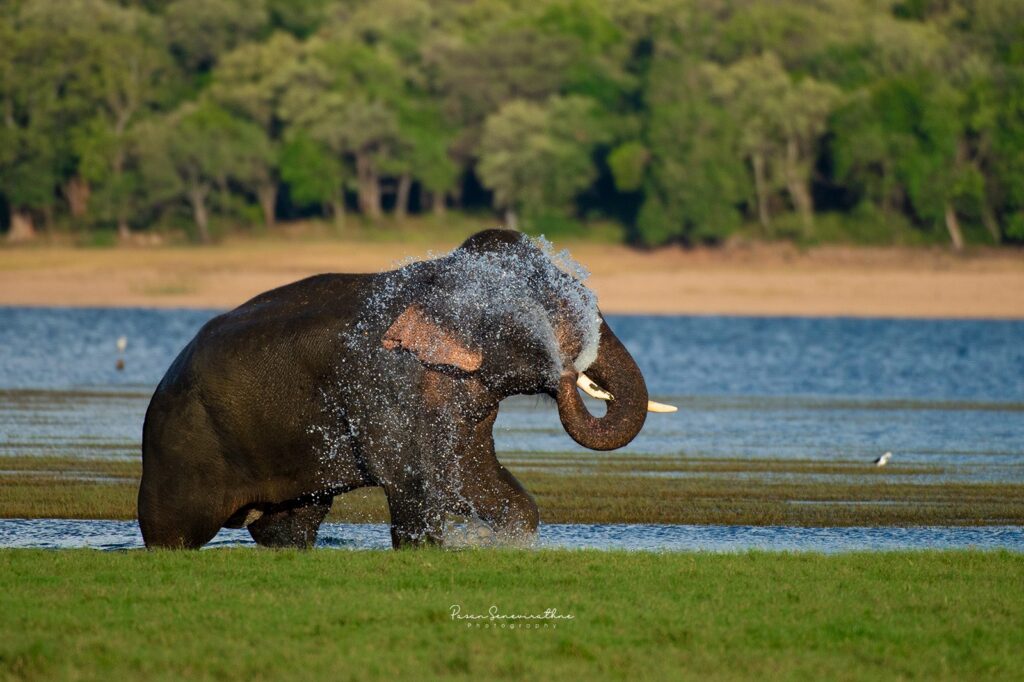
Elephants need large areas to move, feed and find water. When forest corridors are blocked or reduced, elephants often enter villages and farmlands in search of food. This creates danger for both local communities and animals. Farmers may lose crops, families may feel unsafe, and elephants may be injured or killed. Research and conservation reports identify land-use change, habitat loss, agricultural expansion and human population pressure as major causes of human-elephant conflict in Sri Lanka.
Climate change adds another layer of pressure. Changes in rainfall, longer dry periods, water scarcity and extreme weather can affect forests, agriculture and animal movement. Sri Lanka, as a tropical island, is vulnerable to climate-related impacts on biodiversity, water resources, coastal areas and food security. When natural water and food sources become limited, wildlife may move closer to human settlements, increasing the possibility of conflict.
This is why responsible travel is important today. Responsible travel is not only about visiting beautiful places. It is about protecting those places, respecting local people and ensuring tourism creates a positive impact. Travellers can help by choosing ethical safari operators, keeping a safe distance from animals, avoiding plastic waste, respecting protected areas, supporting local communities and learning about conservation before entering wildlife habitats.
At The Wildlife Guardian Travels, we believe that tourism should protect what travellers come to see. Our purpose is to promote Sri Lanka not only as a holiday destination, but as a living natural treasure that must be protected for future generations. Every safari, beach holiday, mountain escape and cultural journey should be planned with respect for nature, local communities and wildlife.
As part of our conservation commitment, The Wildlife Guardian Travels will allocate a certain LKR amount from each booking, per person, towards selected wildlife conservation and community-support projects in Sri Lanka. This contribution is intended to support action plans that benefit both humans and wildlife, especially in areas affected by human-wildlife conflict.
Our aim is to support practical initiatives that help reduce conflict, protect wildlife habitats, create awareness and assist communities living close to nature. When local communities benefit from responsible tourism, they are more likely to become partners in conservation. This is essential because wildlife protection cannot succeed without supporting the people who share land with wildlife.
When travellers book with The Wildlife Guardian Travels, their journey becomes more than a holiday. It becomes part of a meaningful conservation movement. Every guest helps support Sri Lanka’s wildlife, local communities and responsible tourism future.